



Gamification at an exhibition works like a magnet. Visitors pass by dozens of booths and stop at places where they can not only look but also participate. Game mechanics increase the time spent with the brand and create an emotional connection. Let’s look at how to implement them without losing the professional tone.
Why gamification is important for an exhibition booth
Participating at an exhibition has three standard goals: collecting contacts, showcasing the product, and scheduling meetings. Gamification enhances each.
Contact collection. A visitor is more likely to leave a business card or scan a badge if it entitles them to a giveaway or access to a game.
Product training. A short quiz or simulator introduces features faster than a flyer.
Excitement around the booth. People come to check out what’s going on if they see a crowd and activity.
Which game mechanics work at exhibitions?
Not all games are created equal. Choose formats that suit your audience and booth space.
Interactive surveys with a prize. Three simple questions about the product are displayed on the touchscreen. For correct answers, visitors receive a small gift (sticker pack, badge, keychain). This is quick, unobtrusive, and collects data.
Stand area quests. QR codes or symbols are hidden on various stands or design elements. To complete the combination, visitors must walk around the entire booth and see all the products. At the end, they receive a prize or an entry in the grand prize draw.
Product simulator. If your company sells complex equipment or software, give guests the opportunity to “try it out” in 2-3 minutes. A simple version: press buttons, assemble a diagram on the screen, and run diagnostics. The simulator creates a sense of competence and is memorable.
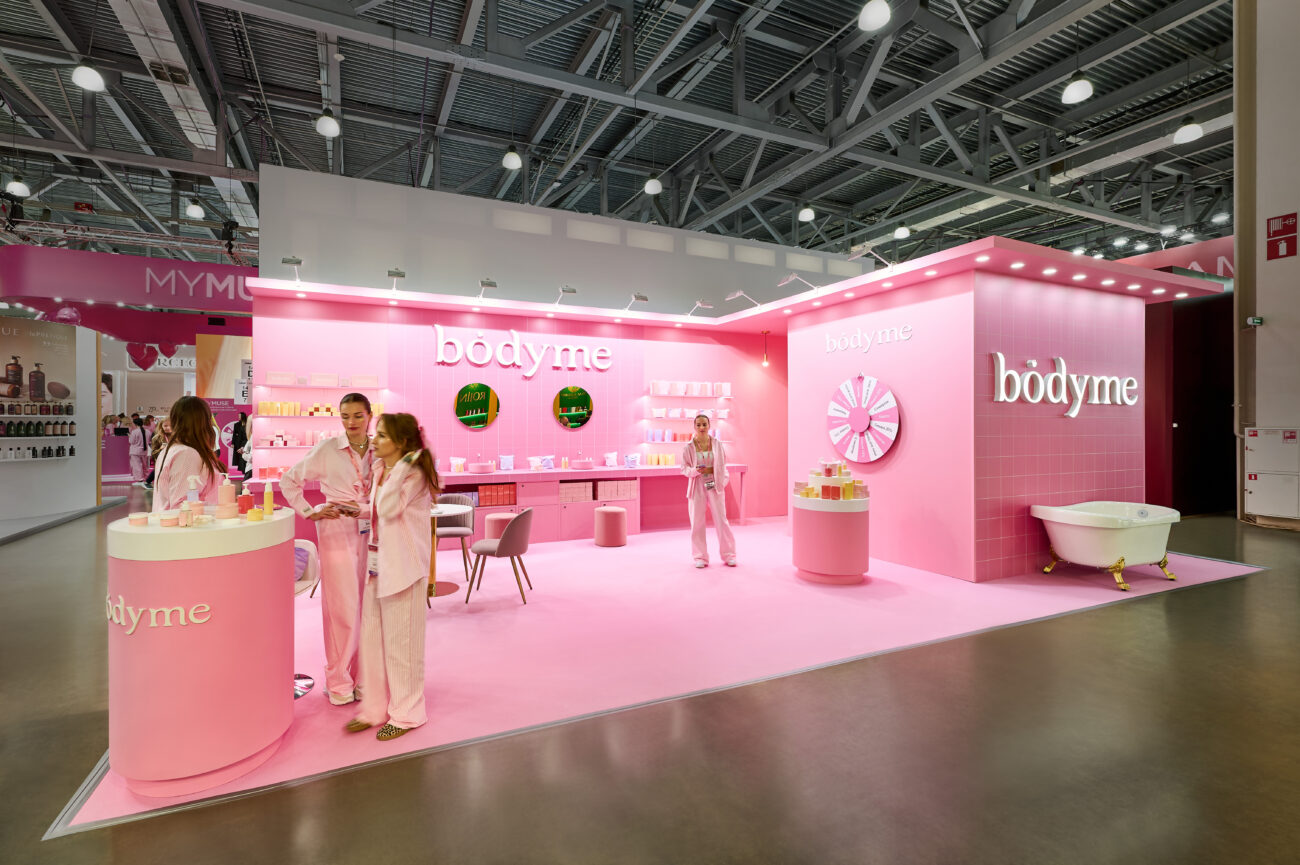
Wheel of Fortune or Lottery. A classic option for small booths. Visitors register, spin the wheel, and receive a guaranteed prize. The main rule is that prizes should be relevant to the brand, not random trinkets.
Space and Budget Restrictions
For a booth up to 20 sq. m, it’s best to choose one interactive element. For example, a wheel of fortune or a tablet with a survey. Cumbersome quests and simulators will take up space and distract staff from negotiations.
For a booth over 30 sq. m. You can combine the two: run a quest on the perimeter and a simulator in the central area. Budget not only for equipment rental, but also for prizes (up to 30% of gamification costs) and promotional staff to explain the rules.
Balance between play and business seriousness
Gamification shouldn’t overshadow the main goal—business negotiations. A visitor who spins the wheel three times without finding out what you’re selling is a lost lead.
Rule: the game leads to contact, not replaces it. After completing the game, the booth staff should intercept the visitor with a short phrase: “Did you like it? Now see how this works in real projects.”
It’s important to avoid loud and exciting games (such as throwing balls at targets), which attract casual audiences and ruin the business atmosphere. For serious B2B exhibitions, calm, intellectual mechanics are suitable: quizzes, simulators, and logic quests.
Gamification transforms passive booth viewing into active participation. Choose mechanics that suit the booth size and the audience’s mood; avoid distracting attention from the product to entertainment. For consultation on developing interactive solutions, contact Insight Expo.
Learn more:
Why professional companies choose custom exhibition stands over standard solutions. Creative turnke...
Brand communications at an exhibition stand: visual identity, key messages, channels, and effective...
