


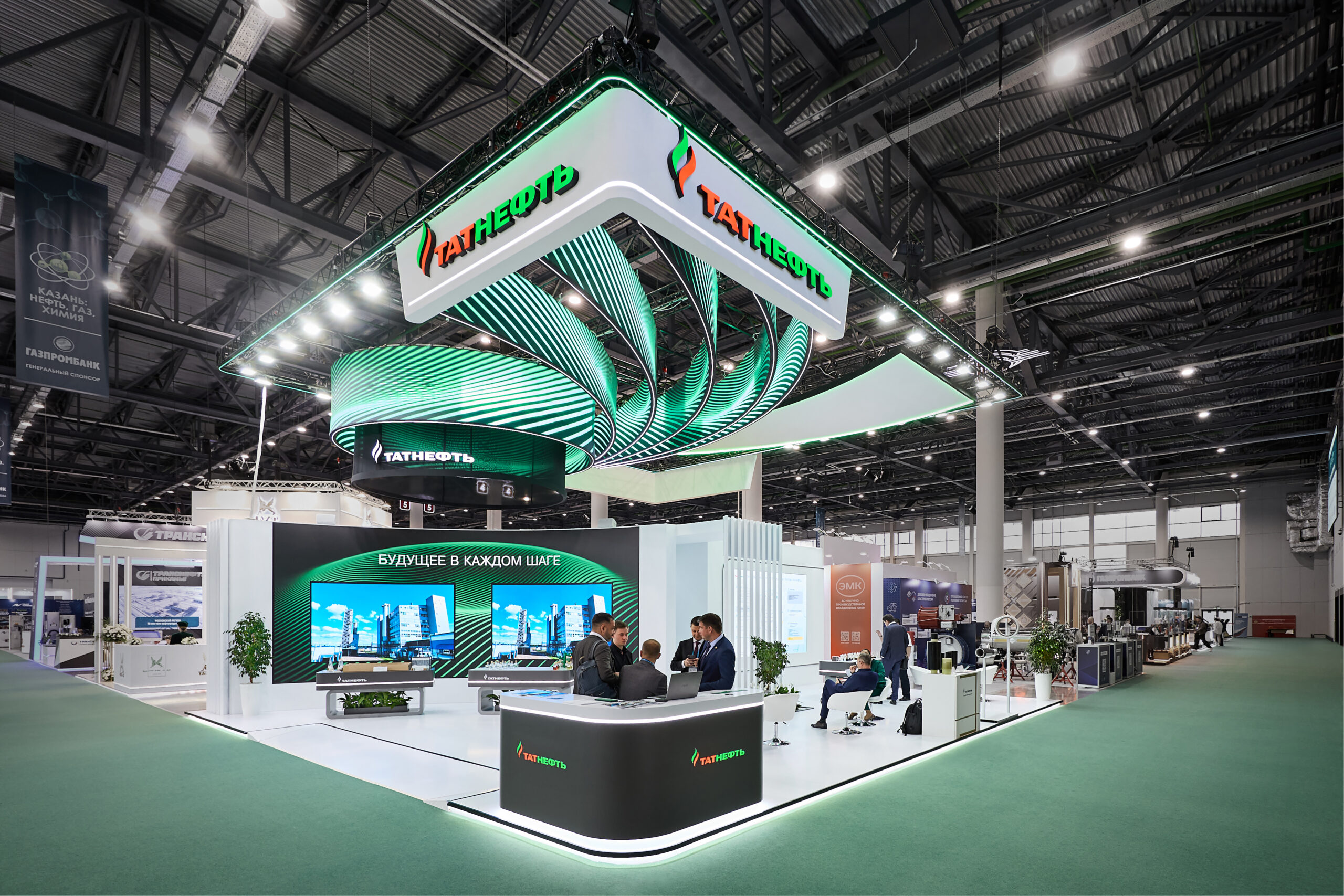
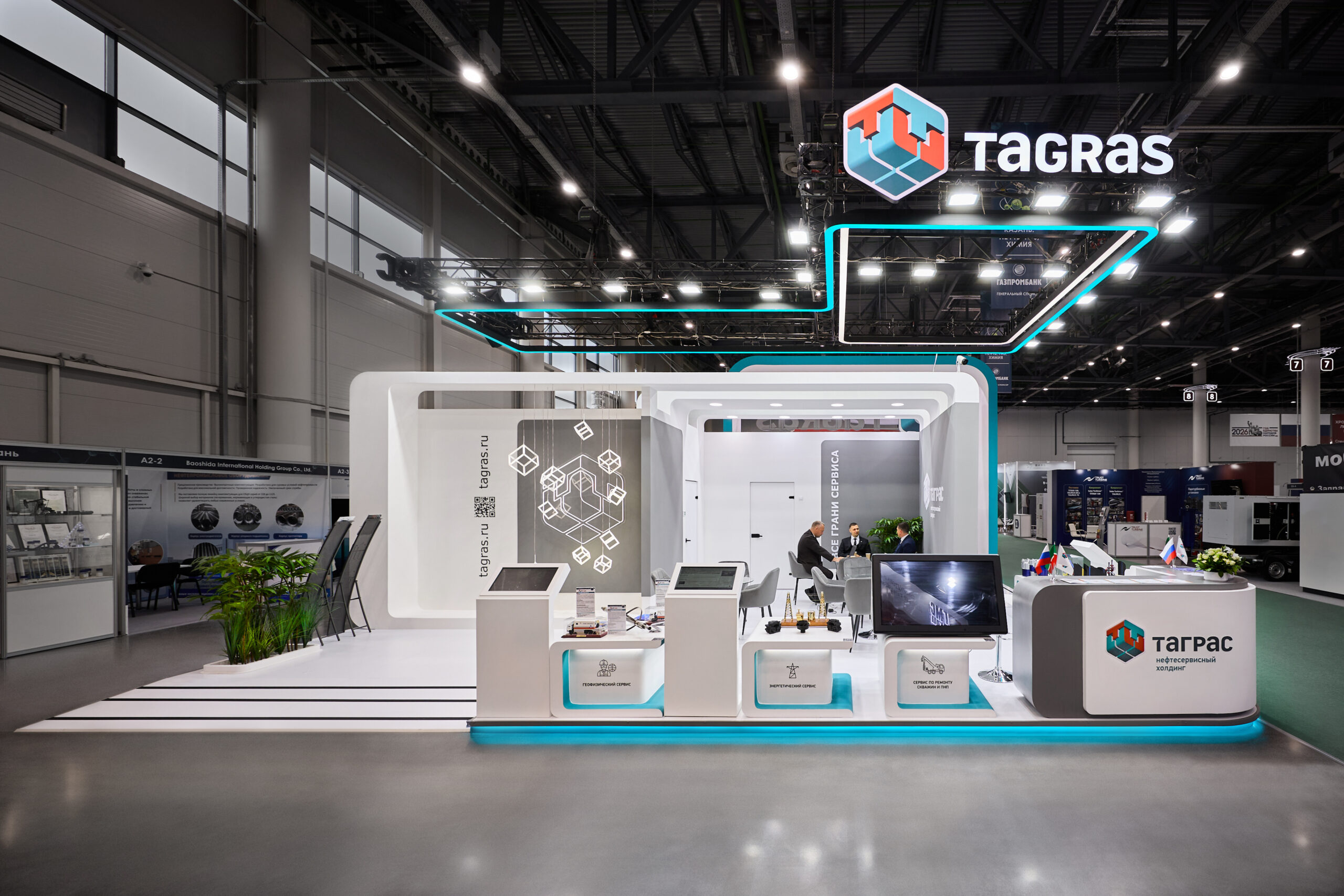
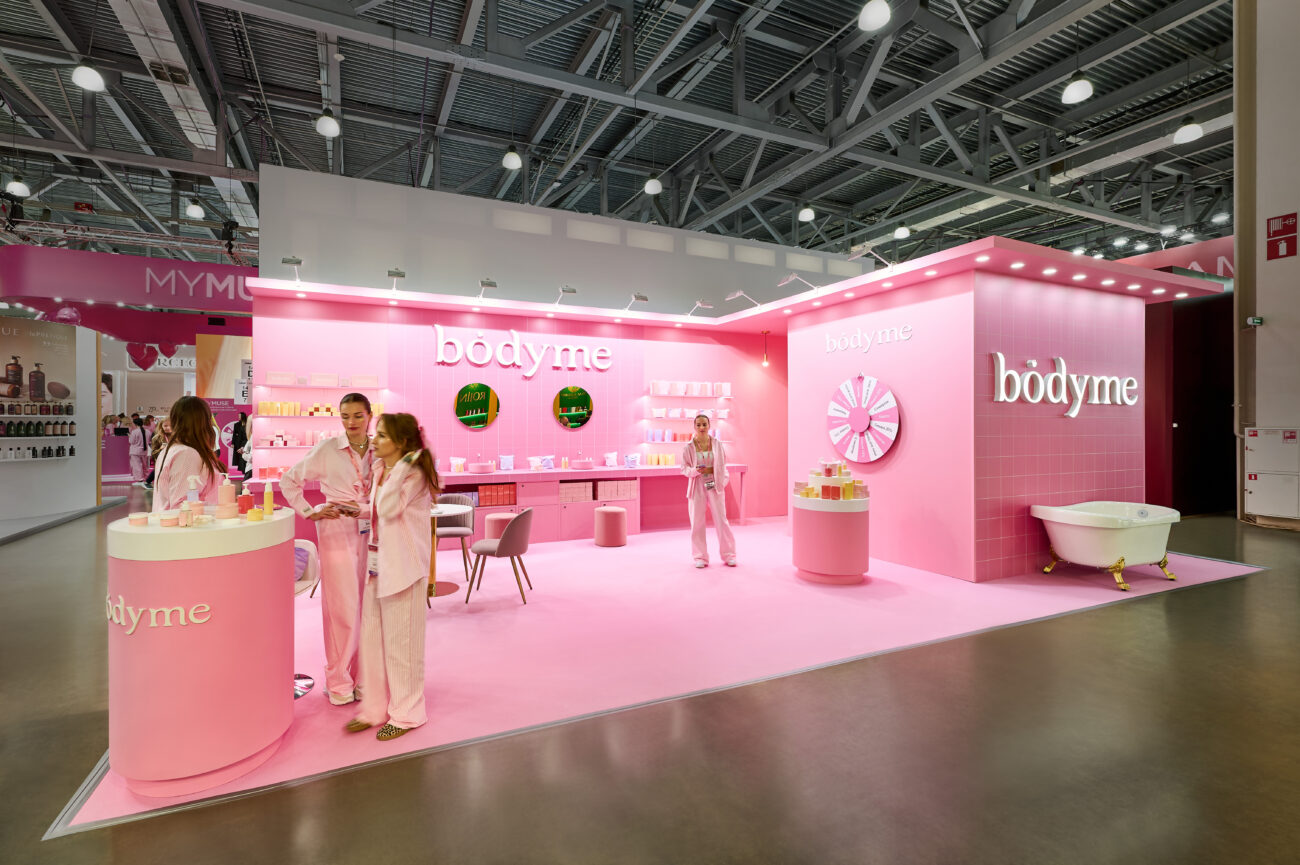
A themed exhibition stand works differently from a universal “product display” structure. Here the space itself tells a story: the visitor reads the idea before speaking to a manager. In the 2020s this format is in demand among brands that want to stand out in a dense row of similar pavilions and be remembered not by floor area, but by meaning. Below are practical tips on how to build a unique themed stand without decorative noise or loss of functionality.
Where a theme starts: one strong scenario
A stand theme is not a set of decorations and not a “pretty picture on the walls”. It is a scenario that answers the question: what feeling and what thought should the visitor take away. The more precise the scenario, the easier it is to cut out unnecessary elements.
- One metaphor. Choose a single image — a path, a laboratory, a city of the future, an ecosystem — and carry it through the architecture, graphics and the team’s working scenarios.
- Link to the product. The theme should strengthen the company’s offer, not live separately from it. If the link is not readable in 5–7 seconds, the metaphor should be simplified.
- Limitation of means. Three or four expressive techniques work better than ten scattered “features”.
A themed approach aligns well with brand communication: the visual language and the team’s behaviour should say the same thing — more on this in the material on brand communications at exhibition stands.
How to turn a metaphor into architecture
A strong themed stand is read in volume, not only in print. Architecture sets the route and the mood; graphics only support them.
- Visitor route. Plan an entrance accent, an engagement zone and a point where it is convenient to move into negotiations. The theme “leads” the person rather than making them wander.
- Scale and rhythm. Large forms and repeating motifs are read from the aisle. Leave small details for the near zone.
- Light as part of the theme. Colour temperature and accent lighting reinforce the scenario more strongly than extra décor.
If floor area is limited but there are several scenarios, thoughtful zoning helps — techniques are described in the article on a multifunctional exhibition stand.
Content and interaction inside the theme
A modern themed stand rarely does without a digital layer. It is important that screens and interactivity do not look like “foreign” elements, but continue the story.
- Content in one tone. Video, infographics and texts use the same images and vocabulary as the space.
- A short experience. An interaction of 30–90 seconds engages better than long demos that create a queue and lose the meaning of the theme.
- Lead capture without breaking the scenario. Fit QR codes and digital forms into themed carriers, rather than hanging them as alien plaques.
On how screens work inside an exhibition space, see the material on interactive exhibition stands.
What separates a “theme” from decorative noise
A common mistake is to overload the stand with attributes “for the event” and lose readability. Below are guidelines that help keep the balance.
| Sign | Strong theme | Decorative noise |
| Reading from the aisle | The idea is clear in a few seconds | You need to come closer and “decode” it |
| Link to the product | The metaphor explains the benefit | Looks good, but says nothing about the offer |
| Number of techniques | 3–4 coordinated solutions | Many scattered elements |
| Team work | The conversation scenario continues the theme | The theme is only on the walls; speech is “as usual” |
Production and installation: where uniqueness breaks
Even a strong idea loses power if it cannot be manufactured and assembled to a high standard within the tight exhibition timeline.
- Feasibility check. At an early stage agree complex nodes with partners’ production sites: non-standard forms, light, media.
- Reuse. Build in modularity: themed elements that can be adapted for the next exhibition reduce the cost of ownership.
- On-site control. Unique nodes need a separate acceptance checklist — light, joints, media, navigation.
Theme graphics follow the same readability rules as any stand: hierarchy, contrast, font size — covered in the article on graphic design for an exhibition stand.
How to measure the effect of a themed stand
A theme is justified if it affects audience behaviour, not only the photo report.
- Share of target stops. How many visitors from the target segment entered the zone, rather than just photographing the façade.
- Contact depth. Time on the stand and the share of transitions to negotiations or demos.
- Recognition after the show. How strongly respondents associate the brand specifically with the chosen theme.
Summary
A unique themed stand is built around one strong scenario that runs through architecture, light, content and the team’s work. The clearer the metaphor and the stricter the selection of means, the higher the chance of standing out among similar pavilions. Insight Expo helps turn an idea into a working project: from concept and artwork to manufacturing at trusted partner facilities and installation at the show.
Learn more:

Looking for a reliable exhibition stand contractor in Moscow? Insight Expo offers a full service, f...
Brand communications at an exhibition stand: visual identity, key messages, channels, and effective...
