


Working with local and international suppliers is one of the most underestimated parts of preparing for an exhibition. A stand is assembled from dozens of items: structures, lighting, multimedia, furniture, printing, logistics, catering. When some contractors are based in the exhibition city and others in another country, any lack of coordination turns into missed deadlines and extra costs. Let us look at how to organise work with different suppliers so that everything is in place by the opening.
Who is involved in building a stand
Even a compact stand is the result of several teams working together. It is important to understand in advance who is responsible for what.
- Stand builder. Designs and installs the structure and often coordinates the other contractors.
- Equipment suppliers. Lighting, screens, sound, furniture, display cases — rented or owned by the exhibitor.
- Printing and graphics. Large-format printing, fabric graphics, films, printed materials.
- Logistics. Delivery of structures, product samples and materials to the venue and back.
- On-site services. Electricity and internet connection, cleaning, catering, promo staff.
How to choose the main contractor and which criteria to use is covered in our article on choosing a contractor for an exhibition stand.
Local and international suppliers: what is the difference
Each option has its own strengths, and a combination is usually the best choice.
| Parameter | Local supplier | International supplier |
| Knowledge of the venue | knows the rules and services of the specific exhibition centre | knows the brand requirements and experience from past exhibitions |
| Logistics | short delivery times, easier to fix a mistake on site | cross-border shipping, customs clearance |
| Brand standards | a detailed brief and supervision are required | consistent standards at all of the company’s exhibitions |
| Communication | one language and time zone | different languages, time zones and business customs |
| Response to force majeure | quick replacement of materials and equipment | a replacement from abroad takes days or weeks |
A typical arrangement: brand elements, product samples and equipment that is hard to find locally are brought from abroad, while structures, furniture, lighting and services are ordered from local contractors.
How to organise work with suppliers
- A single brief. All contractors receive one version of the brief with dimensions, materials, deadlines and areas of responsibility.
- One coordinator. Issues between suppliers are resolved through one person in charge rather than in parallel email threads.
- A shared schedule. Production, shipping, delivery and installation deadlines are combined in one table with checkpoints.
- Stage-by-stage control. Material samples, colour proofs and photos of finished elements are approved before they are sent to the venue.
How to write a brief that all project participants understand is explained in detail in our article on the technical specification for an exhibition stand.
Working with partners abroad
International projects require extra attention to details that do not arise at a local exhibition.
- Time buffer. Cross-border shipping and customs clearance add weeks to the schedule, so dispatch is planned with a reserve.
- Shared units and formats. Dimensions, colour profiles and technical parameters are fixed in one system to avoid conversion errors.
- Equipment compatibility. Connectors, voltage and video signal formats are checked before shipping, not during installation.
- Agreements in writing. Verbal promises made on video calls are confirmed by email with specific deadlines.
How to take organisers’ requirements and the specifics of international exhibitions into account at the design stage is covered in our article on the features of stand design for international exhibitions.
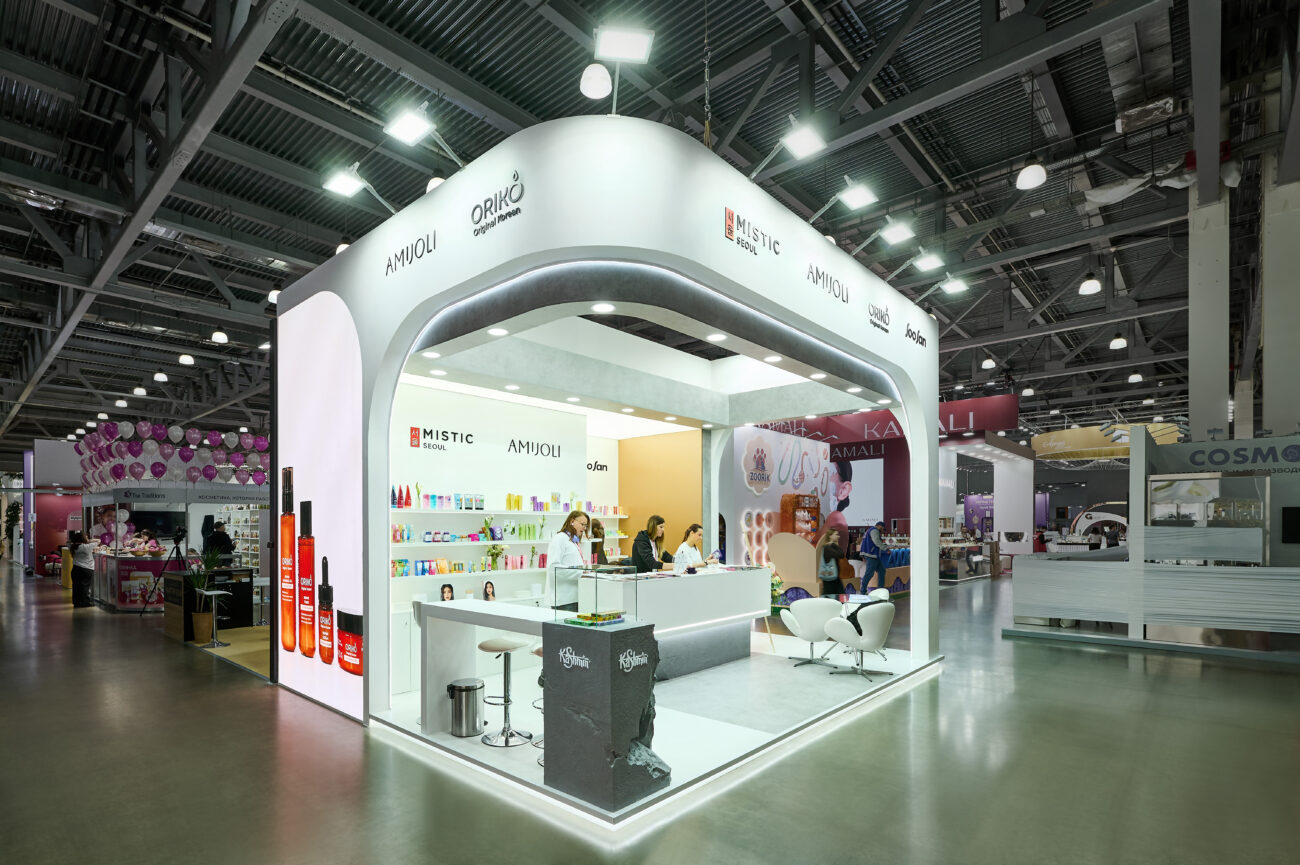
An example of a project for a foreign exhibitor is the Korea Trade stand from our portfolio: products from several brands are combined in a single architecture with a meeting counter.
Acceptance and final check
The last stage of working with suppliers is checking the result before the exhibition opens. Check that everything is complete, the quality of the finish, the lighting and multimedia, and that the graphics match the approved layouts. Record any comments in writing and with photos. A full checklist is given in our article on exhibition stand acceptance.
Typical mistakes
- Several versions of the brief. Suppliers work from different files, and elements do not fit together during installation.
- No time reserve. A delay in one shipment from abroad disrupts the entire installation schedule.
- Choosing on price alone. The cheapest contractor with no experience at the specific venue ends up costing more because of rework.
- No plan B. A local replacement for critical items has not been identified in advance.
Summary
Effective work with local and international suppliers is built on a single brief, one coordinator and a shared schedule with checkpoints. Local contractors provide speed and knowledge of the venue, international ones provide consistent brand standards; combining them makes it possible to get a high-quality stand on time. Insight Expo coordinates all project participants — from design to acceptance — and structures are manufactured at trusted partner production facilities.
Learn more:
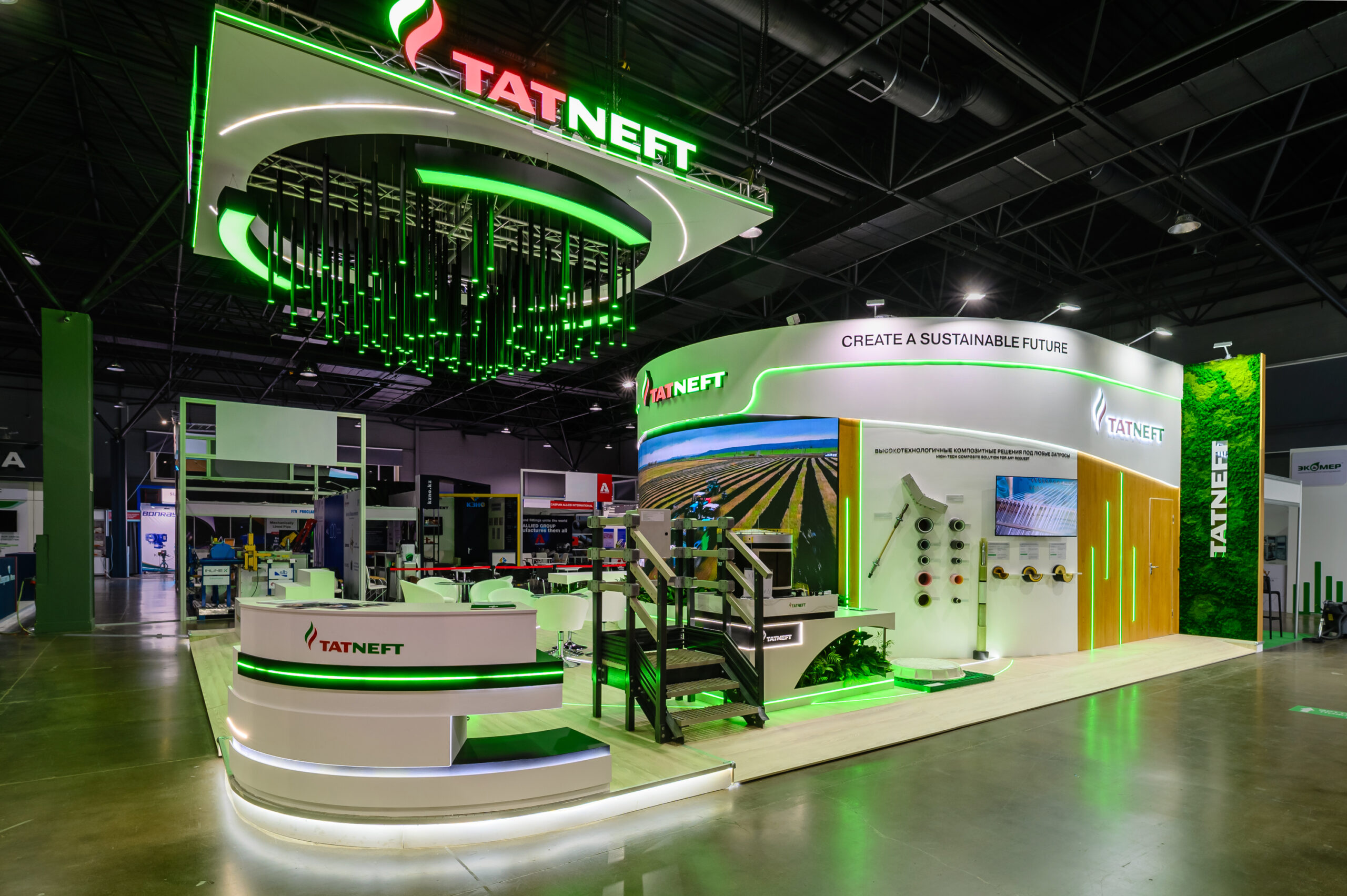

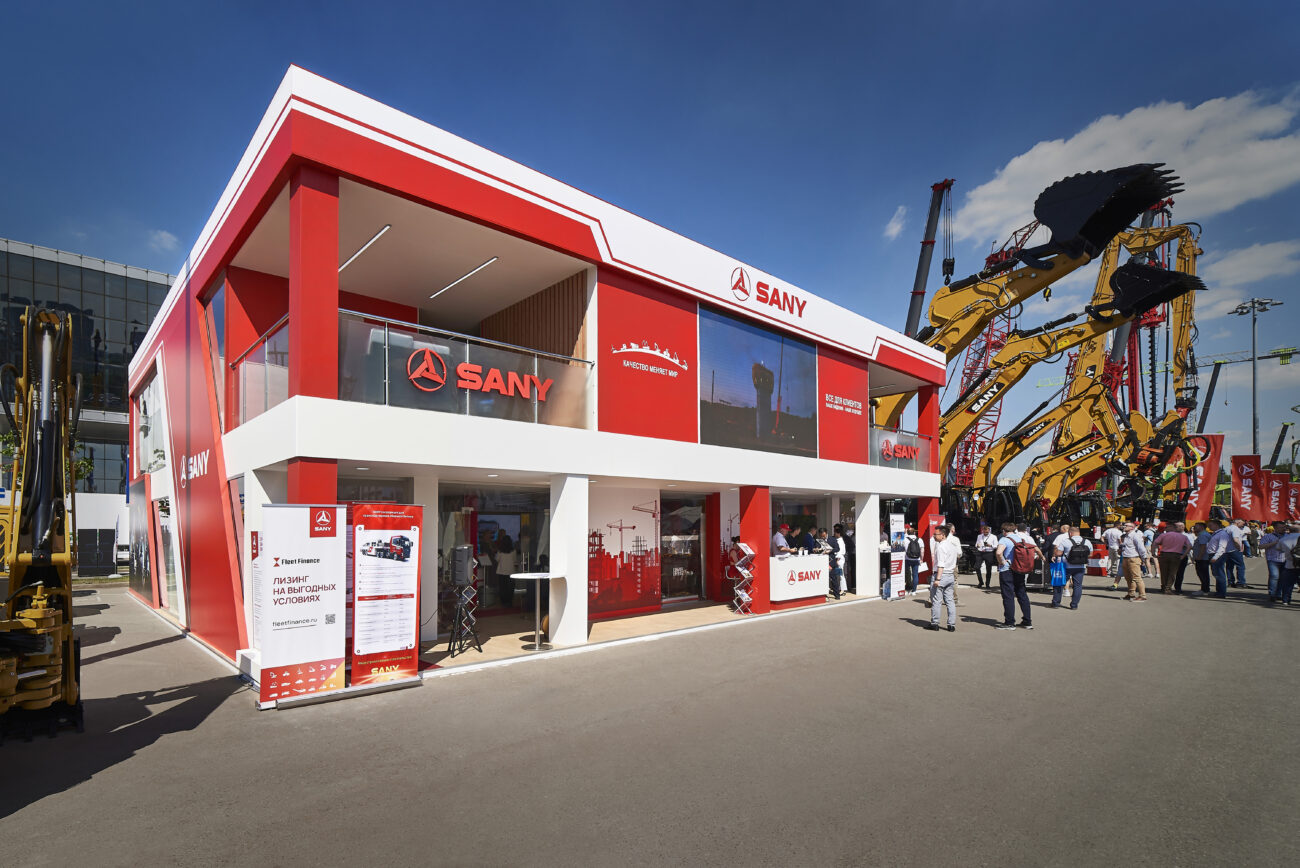
Explore Insight Expo's impressive contributions to CTT Expo 2024, featuring innovative stand design...
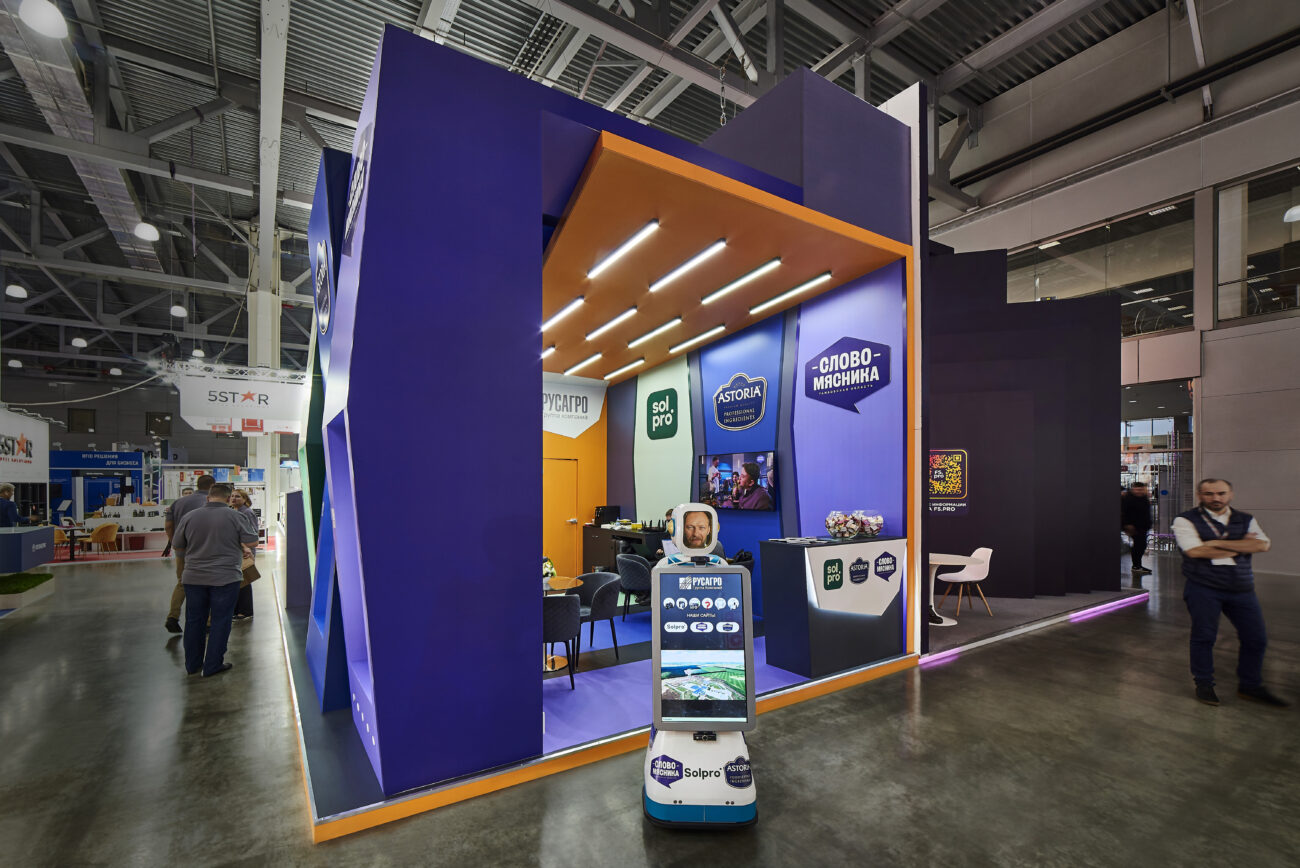
Innovative solutions, interactive experiences, VR/AR, and multimedia enhance brand presentation and...

